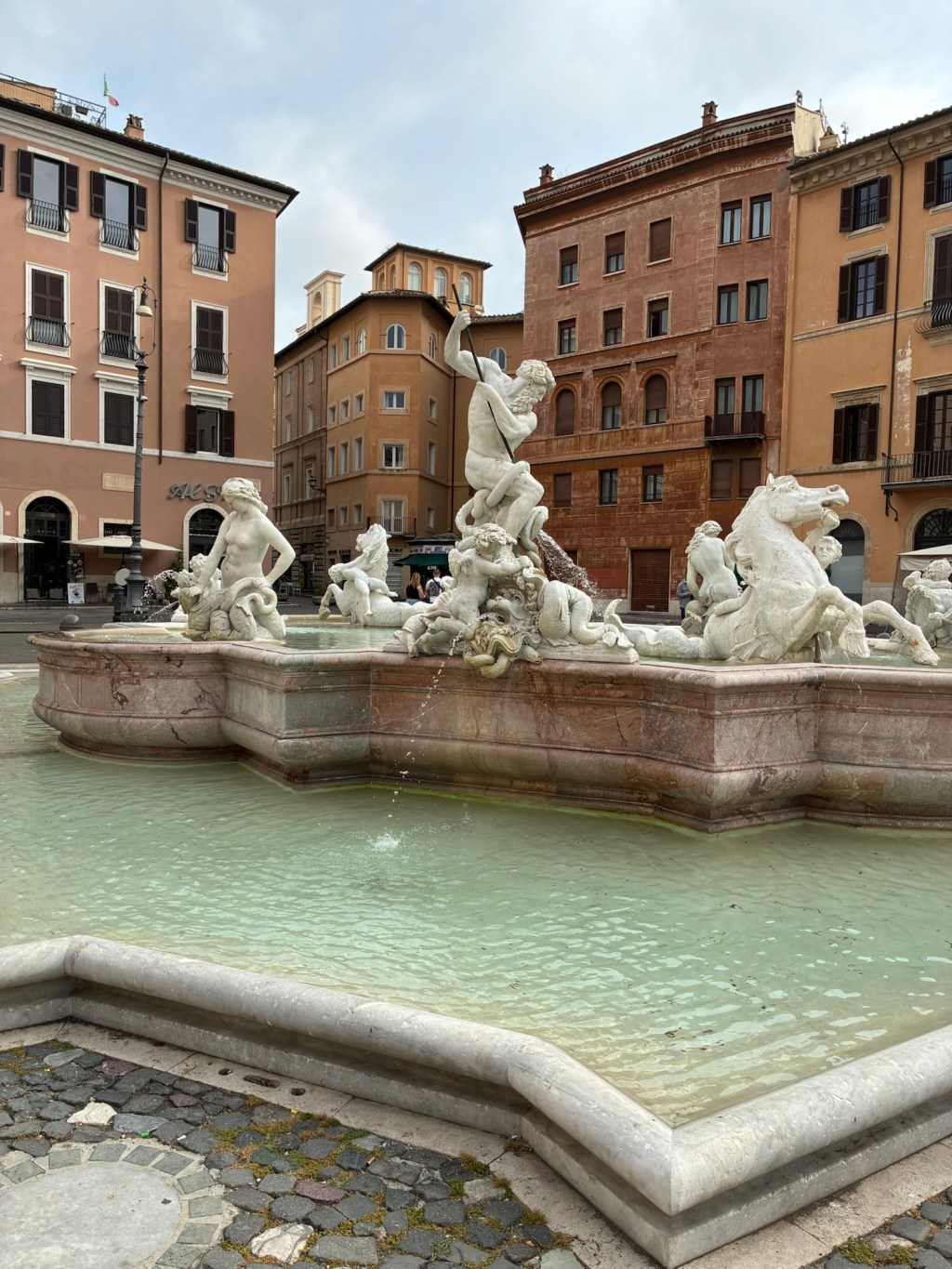
Rome isn’t a city you simply visit, it’s one you walk into, step by step, as if the past is unfolding beneath your feet. Distances here are deceiving. What looks like a short stroll on the map can turn into an hour of wandering, pausing, looking up, turning corners just to see what’s there. And that’s the point.


In Rome, walking isn’t just a way of getting around — it’s the experience itself. One minute you’re crossing a noisy street, the next you’re standing in front of something impossibly old, something that has been there for two thousand years, as if it’s no big deal. A church door left open. A fountain you didn’t plan to find. A quiet piazza where time slows down just enough for you to notice it.
Find the map from my trip in April here.
You don’t really plan Rome. You drift through it. The best routes are rarely the most direct ones, and getting lost is less of a mistake and more of a strategy. Every detour feels earned. Every corner holds something unexpected, a view, a detail, a feeling you didn’t know you were looking for.
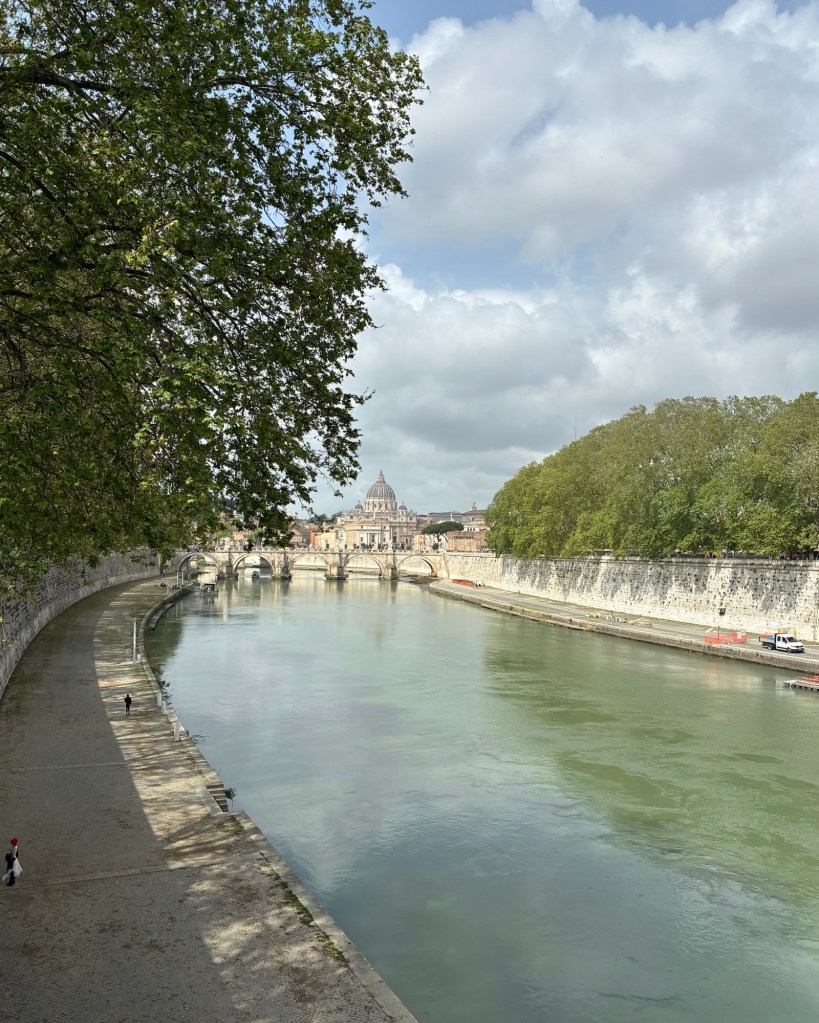

And then there’s the rhythm of it all. The uneven cobblestones, the echo of footsteps, the hum of voices that never quite fades. You walk, you stop, you look, you continue. Maybe for ten minutes. Maybe for hours. Rome doesn’t measure distance the way other cities do — it stretches time instead.
So how long is a walk in Rome? Longer than you think. Shorter than you want.



Leave a Reply